
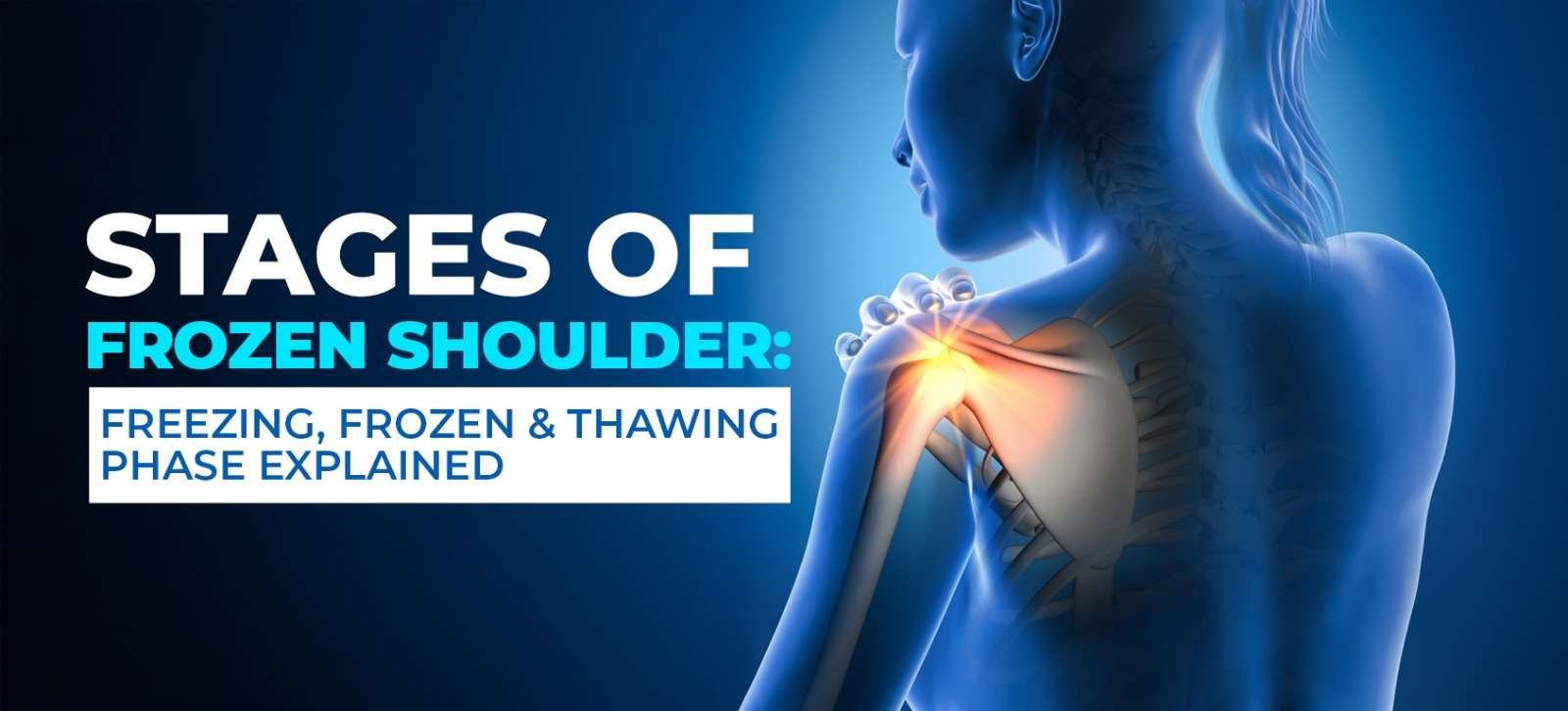
Frozen shoulder, medically known as adhesive capsulitis, is a condition that causes pain, stiffness, and reduced movement in the shoulder joint. It develops slowly and can affect daily activities such as lifting the arm, dressing, or reaching overhead. Understanding the Stages of Frozen Shoulder: Freezing, Frozen & Thawing Phase Explained is important because each stage has different symptoms and treatment needs. At Arora Clinic, Dr Bakul Arora provides stage-based care to help patients recover safely and comfortably.
Frozen shoulder usually progresses through three clear phases. Knowing what happens in each phase helps patients manage pain, avoid panic, and follow the right treatment plan at the right time.
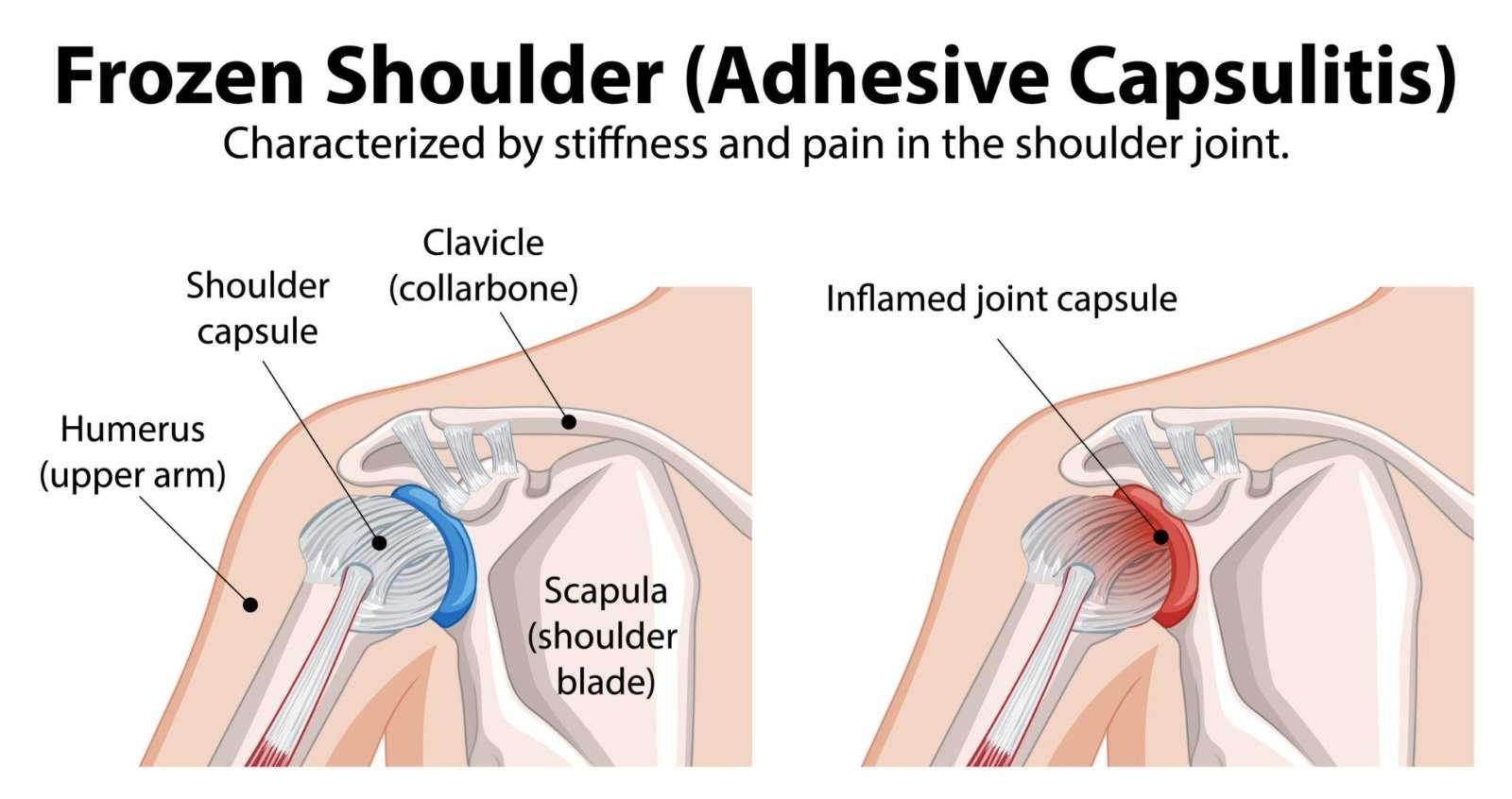
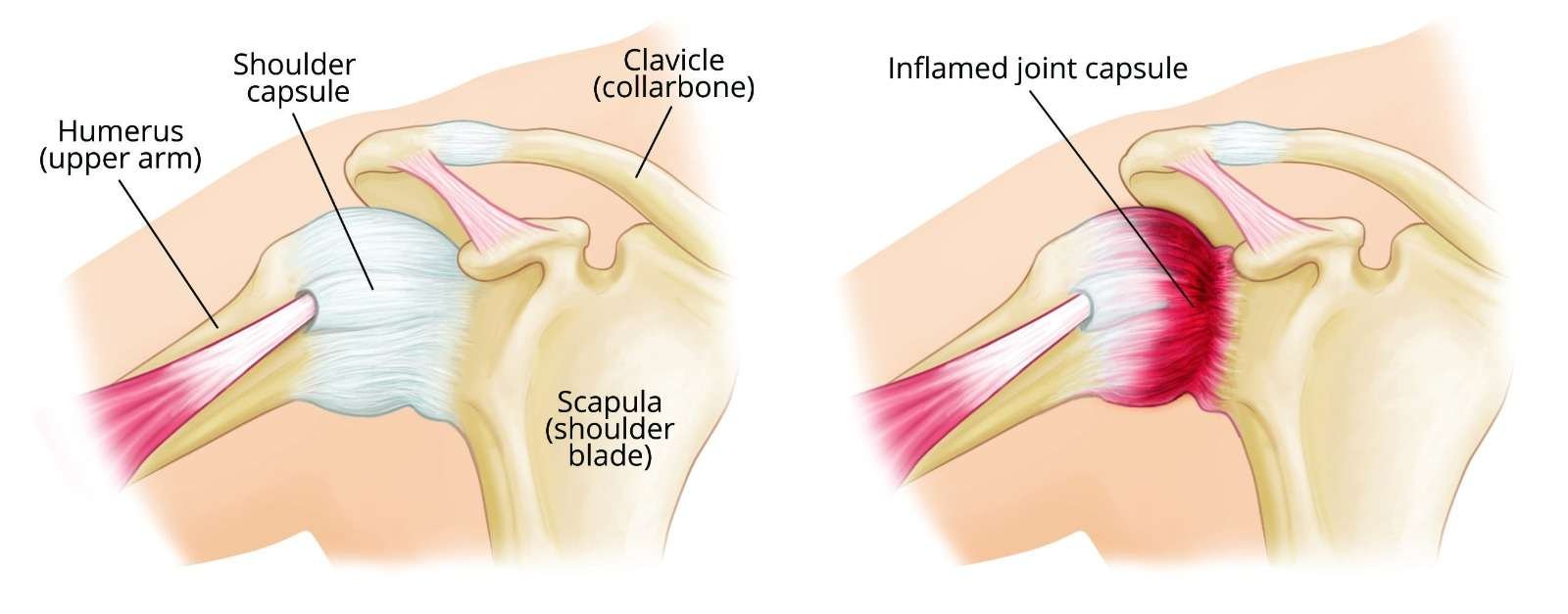
Frozen shoulder occurs when the capsule surrounding the shoulder joint becomes thickened and tight. This leads to inflammation, reduced lubrication, and the formation of tight bands that restrict movement. The condition is more common in people between 40 and 60 years of age and often affects one shoulder, though it can occur on both sides in rare cases.
People often notice pain first, followed by increasing stiffness. The condition does not appear suddenly; instead, it progresses gradually through defined stages.
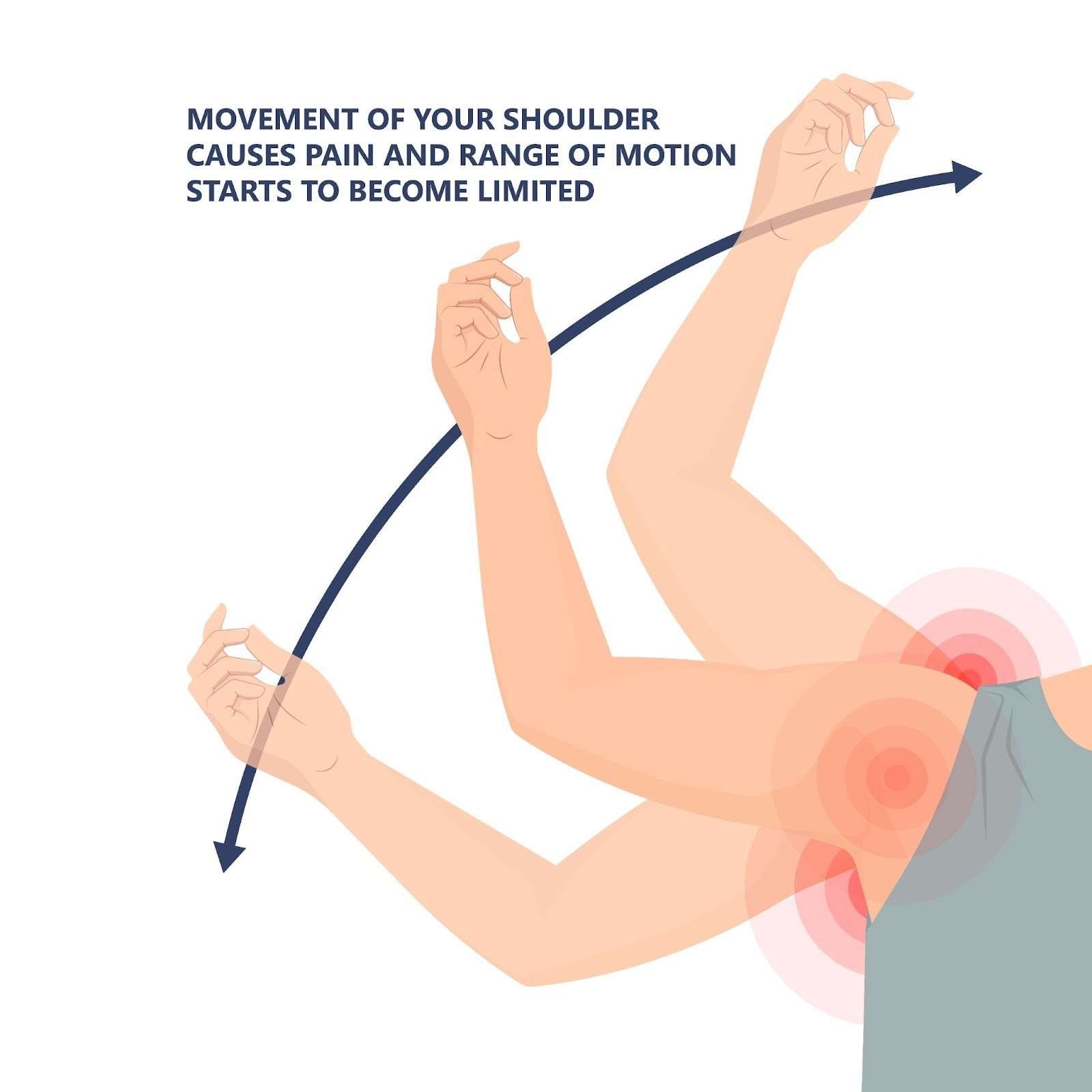
The freezing stage is the first phase of frozen shoulder and is marked by increasing pain and gradual loss of movement.
During this phase, patients experience constant shoulder discomfort that worsens with movement and often disturbs sleep. Many patients ask about frozen shoulder pain areas which commonly include the outer shoulder, upper arm, and sometimes pain spreading toward the elbow or neck. The shoulder becomes sensitive, and even small movements can be uncomfortable.
This stage can last from a few weeks to several months. Early medical attention is very important at this point. Pain-relief medicines, activity modification, and guided physiotherapy can slow progression. Patients often ask about the best medicine for frozen shoulder but medication choice depends on pain level, medical history, and doctor evaluation. Consulting an experienced orthopedic doctor early can prevent severe stiffness later.
As the condition enters the frozen stage, pain may reduce slightly, but shoulder stiffness becomes the main problem. Movement becomes very limited, and daily activities such as wearing clothes, reaching behind the back, or lifting objects become difficult.
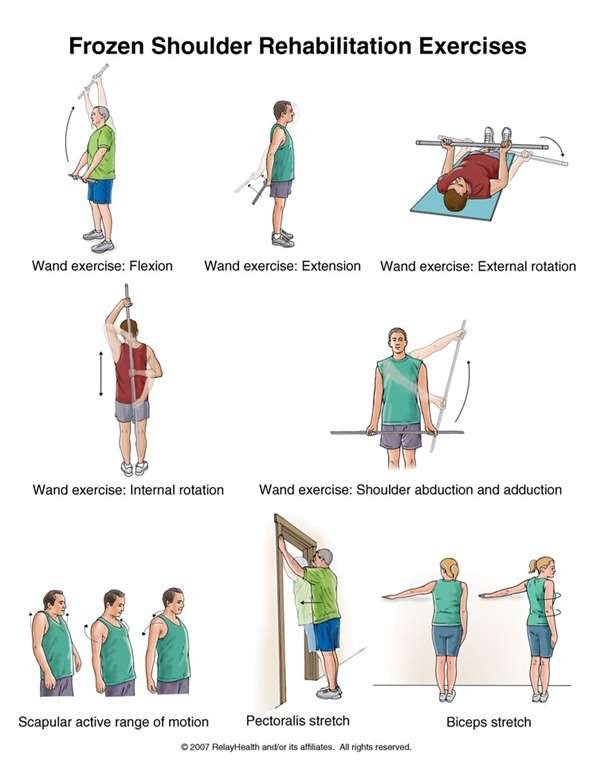
At this stage, doctors often recommend structured physiotherapy and provide a frozen shoulder exercises handout to ensure exercises are done safely. Gentle stretching and controlled movements help maintain joint flexibility. A well-planned frozen shoulder physical exercise routine is essential to prevent long-term disability.
Some patients explore additional therapies such as frozen shoulder acupuncture points to reduce discomfort. While these may offer temporary relief, they should always be combined with medical treatment and physiotherapy rather than used alone.
The thawing stage is the final phase, where shoulder movement slowly begins to return. Pain is minimal or completely absent, and stiffness gradually decreases.
Recovery during this stage depends on regular movement and strengthening exercises. Doctors usually advise frozen shoulder exercises at home to restore flexibility and muscle control. Light stretching, posture correction, and breathing-based movements are helpful. Many patients also practice yoga for frozen shoulder under supervision to improve shoulder mobility and relaxation.
Although improvement is slow, this stage signals healing. Consistency is key, and sudden overuse should be avoided to prevent re-injury.
Certain medical conditions increase the risk of frozen shoulder. One important association is frozen shoulder diabetes where inflammation tends to be more severe and recovery may take longer. Hormonal disorders, prolonged shoulder immobilization, and previous shoulder injuries also increase risk.
People with these risk factors should seek early evaluation from a frozen shoulder specialist to ensure timely and appropriate treatment.
Some patients use supportive aids such as a frozen shoulder belt to reduce strain and maintain posture. While these supports may offer comfort, they should only be used as an addition to exercise and therapy, not as a replacement. Prolonged immobilization can worsen stiffness.
Lifestyle changes such as avoiding sudden movements, maintaining good posture, and following medical advice play an important role in recovery.
Frozen shoulder requires accurate diagnosis and stage-specific treatment. Consulting an experienced orthopedic doctor ensures the condition is not confused with other shoulder problems such as rotator cuff injuries or arthritis.
Patients in Thane can consult expert care through
Orthopedic Surgeon Thane for detailed evaluation and customized treatment plans. The clinic’s location is easily accessible via Orthopedic Surgery Thane
At Arora Clinic, treatment focuses on reducing pain, restoring movement, and preventing recurrence. Dr Bakul Arora carefully assesses the stage of frozen shoulder and recommends a balanced plan that may include medication, physiotherapy, guided exercises, and patient education. This step-by-step approach ensures safe recovery without unnecessary procedures.
Frozen shoulder is a slow-progressing but treatable condition when managed correctly. Understanding the freezing, frozen, and thawing phases helps patients stay patient and committed to recovery. With timely care, guided exercises, and expert supervision from Dr Bakul Arora at Arora Clinic, patients can regain shoulder movement and return to normal daily activities with confidence.
Frozen shoulder is a condition where the shoulder becomes painful and stiff over time. It happens when the shoulder joint capsule tightens and movement becomes limited.
The first sign is usually shoulder pain that slowly increases. Pain often becomes worse at night, and moving the arm starts to feel difficult.
Frozen shoulder has three stages: freezing, frozen, and thawing. Each stage has different symptoms and recovery needs.
Pain is commonly felt in the outer shoulder and upper arm. In some cases, pain may spread toward the neck or elbow.
Frozen shoulders can last from 1 to 3 years. Early treatment can reduce pain and help recover movement faster.
Yes, frozen shoulder is more common and often more severe in people with diabetes. Recovery may take longer, so early medical care is important.
Frozen shoulder can improve over time, but without treatment it may take much longer and cause long-term stiffness. Medical care and exercises speed up recovery.
Treatment depends on the stage. It usually includes pain medicines, physiotherapy, and guided shoulder exercises recommended by a doctor.
Yes, gentle and stage-based exercises are safe and very important. Exercises should be done as advised by a doctor or physiotherapist.
Yes, once your doctor shows you the correct method, home exercises help improve movement and reduce stiffness.
Most cases do not need surgery. Surgery is only considered when pain and stiffness do not improve after proper treatment.
You should see a doctor if shoulder pain lasts more than a few weeks, movement becomes limited, or pain affects sleep and daily activities.
You should consult an orthopedic doctor or frozen shoulder specialist. Patients in Thane can get expert care at Arora Clinic under Dr Bakul Arora.
WhatsApp us