
Recovering from knee replacement surgery can be physically and emotionally challenging especially when it comes to sleep. Pain, stiffness, swelling, and fear of harming the new joint often make patients restless at night. Knowing the 6 best positions to sleep after a knee replacement can significantly improve comfort, reduce pain, and support faster healing. Proper sleep posture plays a vital role in protecting your new knee joint and ensuring a smooth recovery.
After surgery, your knee is still healing internally. Incorrect sleeping posture can increase pressure on the joint, worsen swelling, and delay recovery. Orthopedic specialists strongly advise maintaining neutral joint alignment during rest to prevent stiffness and blood circulation issues. Patients undergoing Knee Replacement surgery in Thane are often guided on sleep posture as part of post-operative rehabilitation to minimize complications and enhance long-term joint function.
Sleeping on your back is considered the safest and most recommended position after knee replacement. Place a pillow or rolled towel under your calf not directly under the knee to keep the leg elevated and fully extended. This position reduces swelling, improves blood circulation, and prevents knee bending that can cause stiffness. Many patients under the care of a Knee Replacement Surgeon in Thane are advised to follow this posture during the first few weeks of recovery.
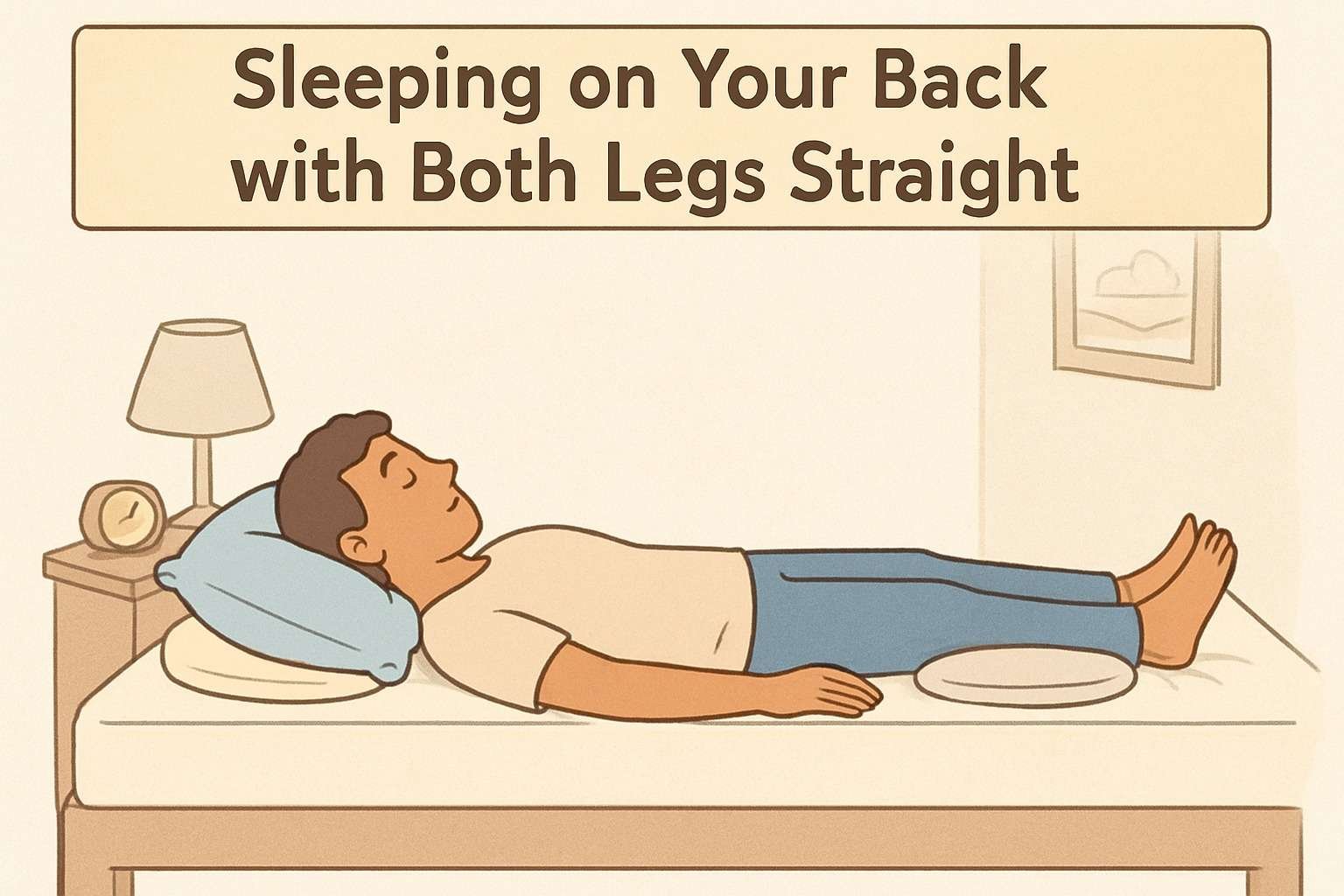
This position involves lying flat on your back with both legs extended straight on the bed. It helps maintain correct joint alignment and prevents unwanted knee twisting during sleep. Avoid placing pillows directly beneath the knee, as this may lead to flexion contracture over time. A Knee Replacement doctor in Thane may recommend this posture for patients who experience nighttime knee stiffness or limited range of motion.
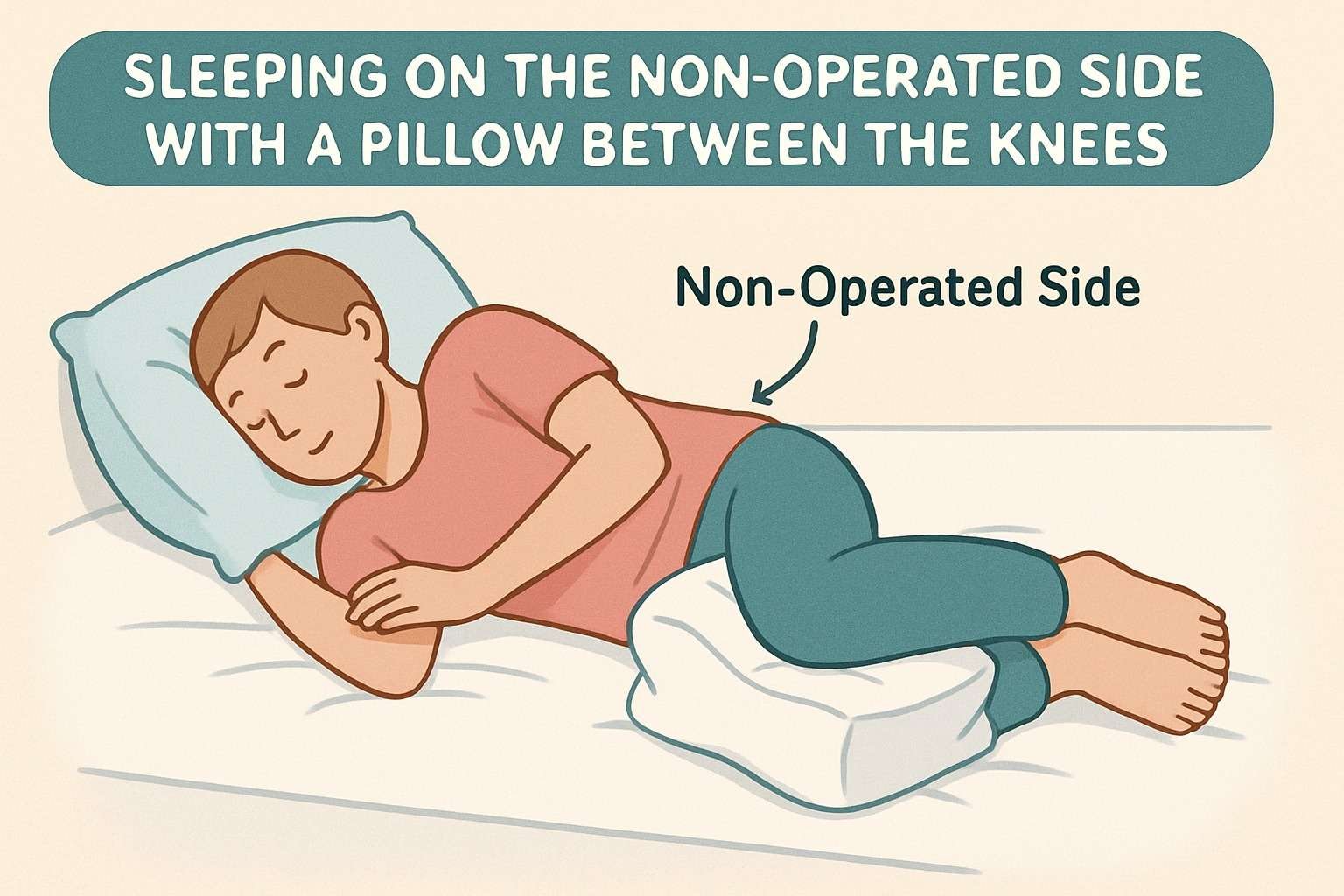
Side sleeping is allowed after knee replacement, but only with proper support. Lie on the non-operated side and place a thick pillow between your knees to keep the operated leg aligned and supported. This prevents inward knee collapse and reduces strain on ligaments. Many Knee Replacement Specialists in Thane approve this position once pain and swelling begin to reduce, typically after the initial recovery phase.
Some patients may feel comfortable sleeping on the operated side after a few weeks. If approved by your doctor, ensure the knee is supported with a soft pillow to avoid direct pressure on the surgical site. This position should be avoided if pain, swelling, or discomfort increases. Consulting a Knee Specialist in Thane before attempting this posture is strongly recommended.
Sleeping in a recliner chair can be helpful for patients struggling to get in and out of bed. This semi-upright position reduces pressure on the knee and supports swelling control. However, it should only be used temporarily, as prolonged recliner sleeping may affect knee extension. Patients recovering after consulting a Knee Operation Specialist in Thane often use this method during the early recovery days for comfort.
Using a wedge pillow to slightly elevate the operated leg while lying on your back can significantly reduce inflammation and nighttime pain. Ensure the knee remains straight and supported evenly. This posture promotes proper blood flow and prevents fluid buildup around the joint. Many Knee Surgeon in Thane rehabilitation plans include elevation strategies for nighttime comfort.
Certain sleeping positions can harm your recovery. Avoid sleeping on your stomach, crossing your legs, or keeping a pillow directly under the knee for long durations. These postures may increase joint stiffness and slow rehabilitation. If you experience persistent sleep discomfort, consulting an experienced Orthopedic Surgeon in Thane can help you correct posture-related issues.
Good sleep hygiene can further support healing. Maintain a consistent sleep schedule, use cold therapy before bedtime (if advised), and keep pain medication timing aligned with sleep hours. Gentle stretching before bed can also reduce stiffness. Many patients seeking Orthopedic Surgery in Thane benefit from post-operative guidance offered through rehabilitation programs and local orthopedic care centers.
If you experience severe pain at night, increased swelling, numbness, or difficulty maintaining any sleeping position, seek medical advice immediately. Sleep discomfort could indicate improper alignment or post-surgical complications. Timely guidance ensures your recovery stays on track and prevents long-term joint problems.
Sleeping correctly after knee replacement is not just about comfort—it’s a crucial part of your recovery journey. By following the recommended positions, using proper support, and consulting your orthopedic expert when needed, you can improve healing outcomes and regain mobility faster. Patients recovering under experienced orthopedic care in Thane often report better pain control and improved sleep quality when they follow medically approved sleeping postures consistently.
WhatsApp us