
Have you ever noticed a cracking or popping sound when you bend your knees, fingers, shoulders, or neck? Many people wonder, Why Do Joints Crack? Should You Be Worried? The good news is that, in most cases, joint cracking is completely normal and does not indicate a serious health problem. However, when the sound is accompanied by pain, swelling, or limited movement, it may be a sign of an underlying joint condition that requires medical attention.
If you are experiencing persistent knee pain, stiffness, or difficulty walking, consulting a knee specialist can help identify the root cause and prevent further joint damage.
If you are looking for a trusted Knee Specialist visit to learn more about expert orthopedic care and treatment options available at Arora Clinic.
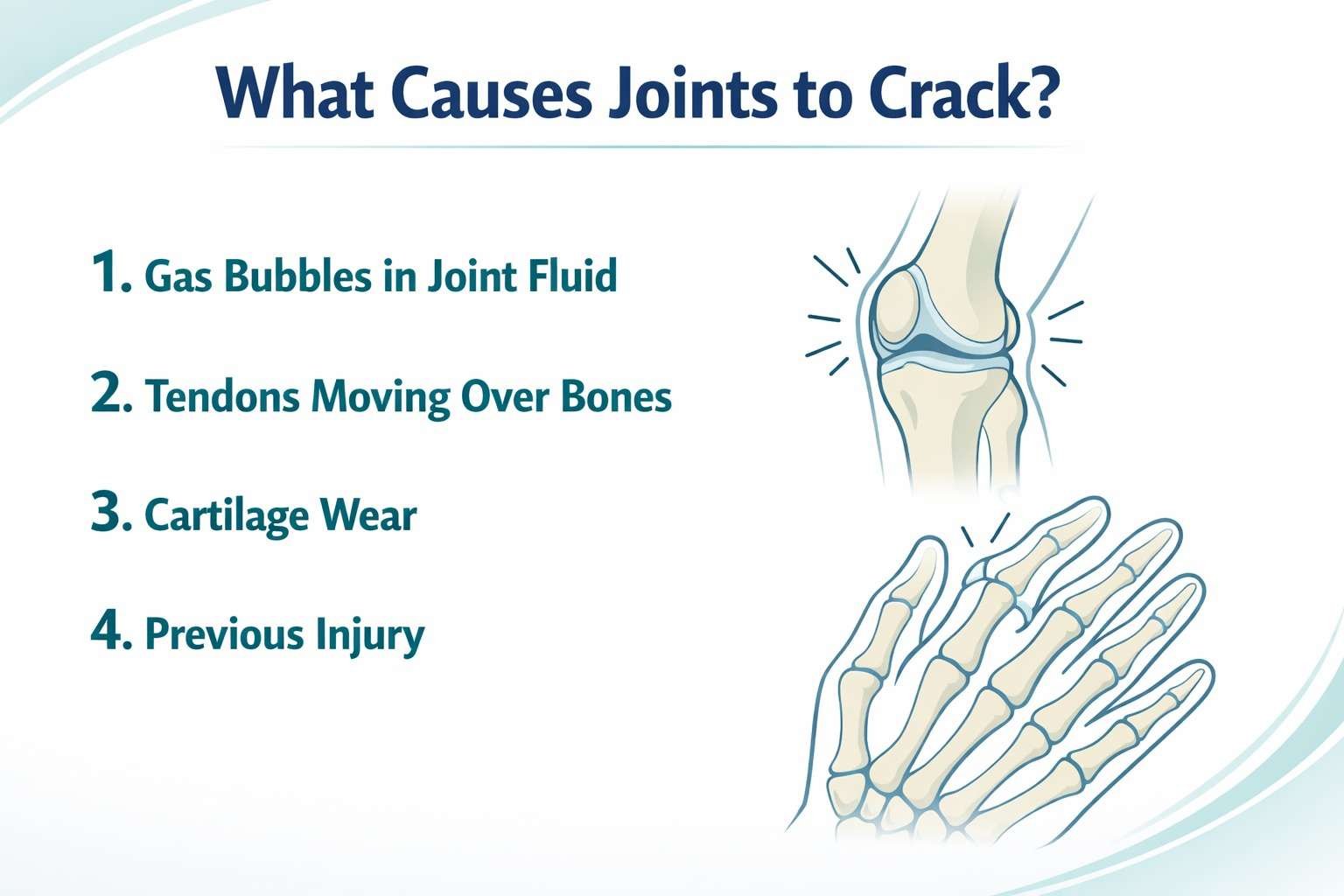
Joint cracking, medically known as crepitus, happens for several reasons.
Your joints contain synovial fluid that lubricates the bones. Tiny gas bubbles form inside this fluid and may burst when the joint moves, creating the familiar popping sound.
This is the most common and harmless reason behind joint cracking.
Sometimes, tendons or ligaments shift slightly as you move. When they snap back into place, they can produce a clicking or cracking sound.
This often occurs in the knees, shoulders, ankles, and wrists.
As we age, the smooth cartilage covering our joints gradually wears down. The rougher joint surfaces may create grinding or cracking sounds during movement.
Older adults commonly experience this type of crepitus.
Sports injuries, ligament tears, or fractures may alter joint mechanics, making joints crack more frequently.
Yes. Joint cracking is generally considered normal if:
Many healthy individuals experience joint cracking throughout their lives without developing arthritis or other joint diseases.
You should consult an orthopedic specialist if joint cracking is associated with:
These symptoms could indicate cartilage damage, ligament injury, meniscus tears, or arthritis.
The knee is one of the most active joints in the body.
Common reasons include:
Most knee cracking is harmless.
However, frequent cracking along with pain may indicate:
Not always.
Many people believe cracking joints automatically mean arthritis, but this is a myth.
Arthritis usually includes additional symptoms like:
If these symptoms are present, medical evaluation is recommended.
Yes. Regular exercise strengthens muscles that support your joints.
Helpful activities include:
Strong muscles reduce pressure on joints and improve overall mobility.
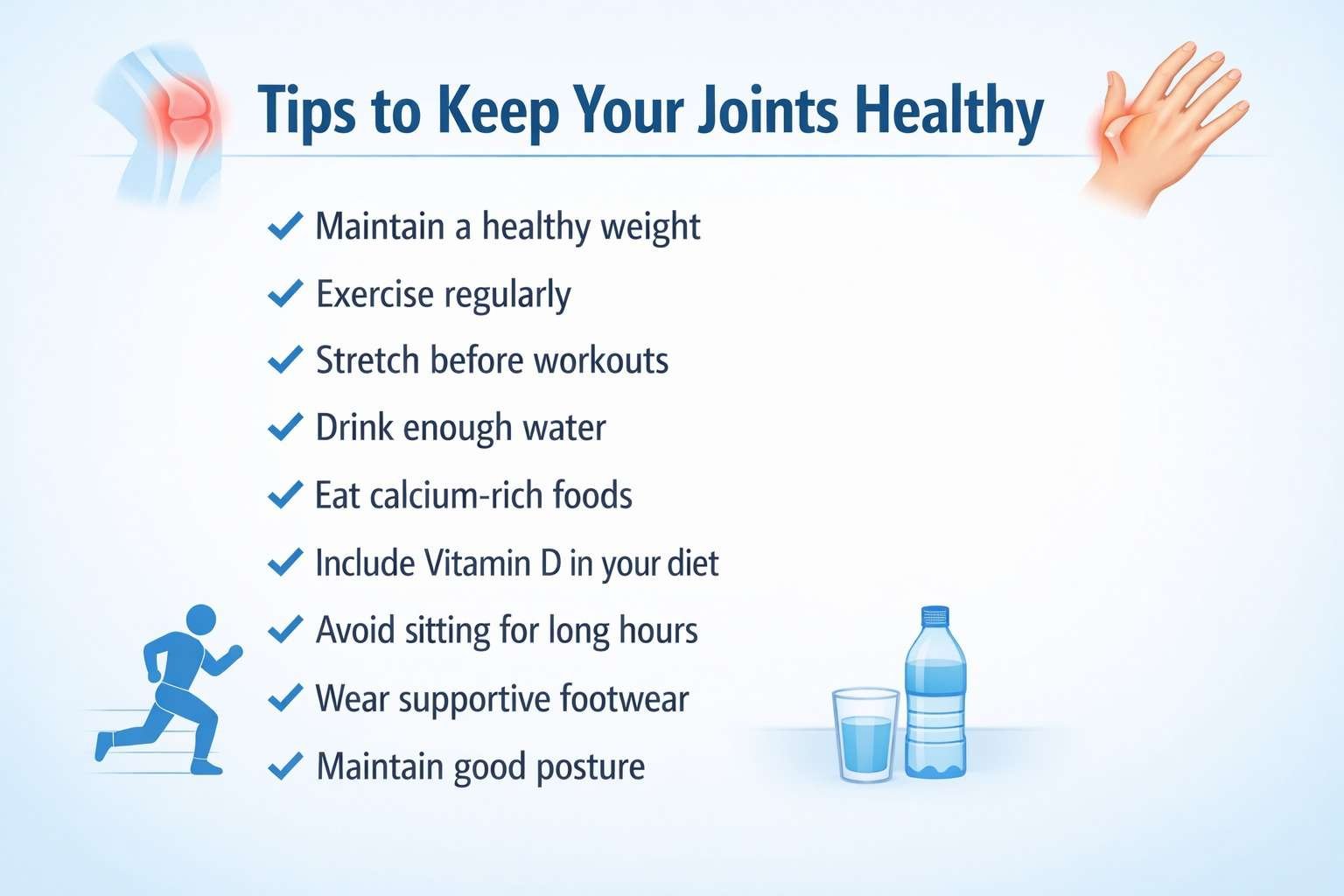
Here are some practical ways to protect your joints:
These habits can reduce stress on the knees and improve long-term joint health.
If knee pain becomes persistent and affects your daily life, conservative treatments like medication and physiotherapy may no longer be enough.
For patients with advanced knee arthritis, modern surgical techniques provide excellent outcomes.
One of the most advanced treatment options available today is robotic knee replacement surgery which offers greater precision, improved implant positioning, and faster recovery compared to traditional methods.
Patients searching for Robotic Knee Replacement Surgery in thane often choose experienced orthopedic surgeons who specialize in advanced joint replacement procedures.
Modern robotic-assisted knee replacement offers several advantages:
People searching for a robotic knee replacement surgeon in Thane should choose an experienced orthopedic specialist with expertise in advanced joint replacement techniques.
Similarly, those looking for a robotic knee replacement specialist in Thane can benefit from personalized treatment plans based on their condition, age, and lifestyle.
Patients often prefer consulting a robotic knee replacement Doctor in Thane who combines years of surgical experience with modern robotic technology to achieve better clinical outcomes.
Choosing a reputed robotic knee replacement specialist clinic in Thane ensures comprehensive care, from diagnosis to rehabilitation, under one roof.
To find the clinic location and schedule a consultation, visit:
Knee Replacement doctor
Most joint cracking is completely normal and does not require treatment. However, if the cracking is accompanied by pain, swelling, or difficulty moving, it should not be ignored. Early diagnosis can help prevent further joint damage and improve your quality of life.
At Arora Clinic, patients receive expert evaluation and personalized treatment for knee pain, arthritis, sports injuries, and advanced joint conditions. Whether you need conservative care or modern robotic-assisted knee replacement, timely consultation with an experienced orthopedic specialist can help you return to an active, pain-free life.
WhatsApp us