

Knee pain is one of the most common musculoskeletal complaints affecting people of all age groups. Understanding the Common Causes of Knee Pain and When to Worry is essential for early diagnosis and effective treatment. Many individuals tend to ignore mild knee discomfort, assuming it will resolve on its own. However, untreated knee problems can worsen over time and lead to long-term joint damage. At Arora Clinic, we emphasize early evaluation and personalized treatment to help patients maintain an active and pain-free lifestyle.
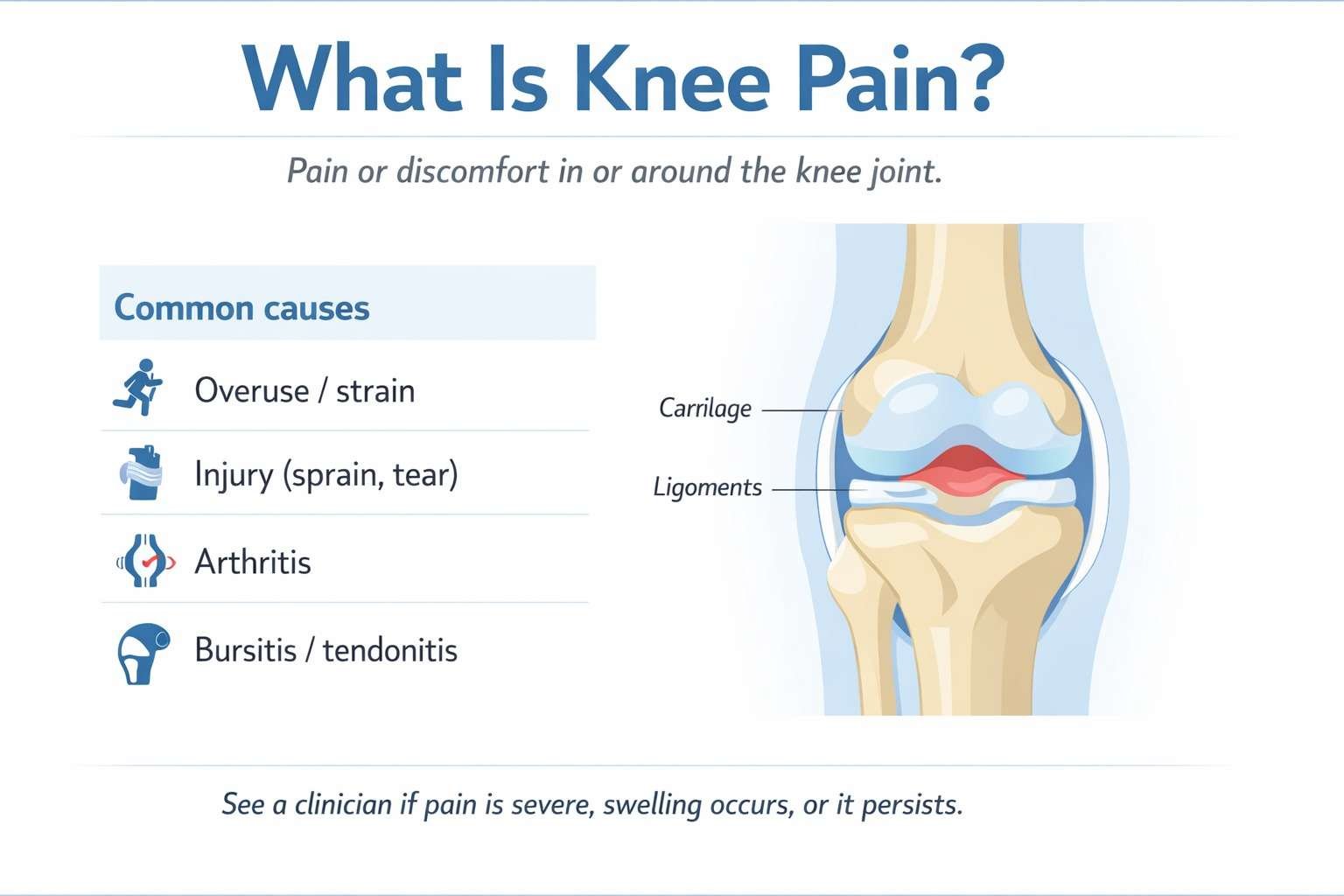
Knee pain refers to any discomfort, swelling, stiffness, or instability in or around the knee joint. The knee is a complex joint made up of bones, cartilage, ligaments, tendons, and muscles. Because it supports most of your body weight and is involved in daily activities like walking, climbing stairs, and sitting, it is highly prone to injuries and wear-and-tear.
Knee pain can be acute (short-term) or chronic (long-lasting), depending on the underlying cause. Identifying the source of pain is crucial for proper treatment.
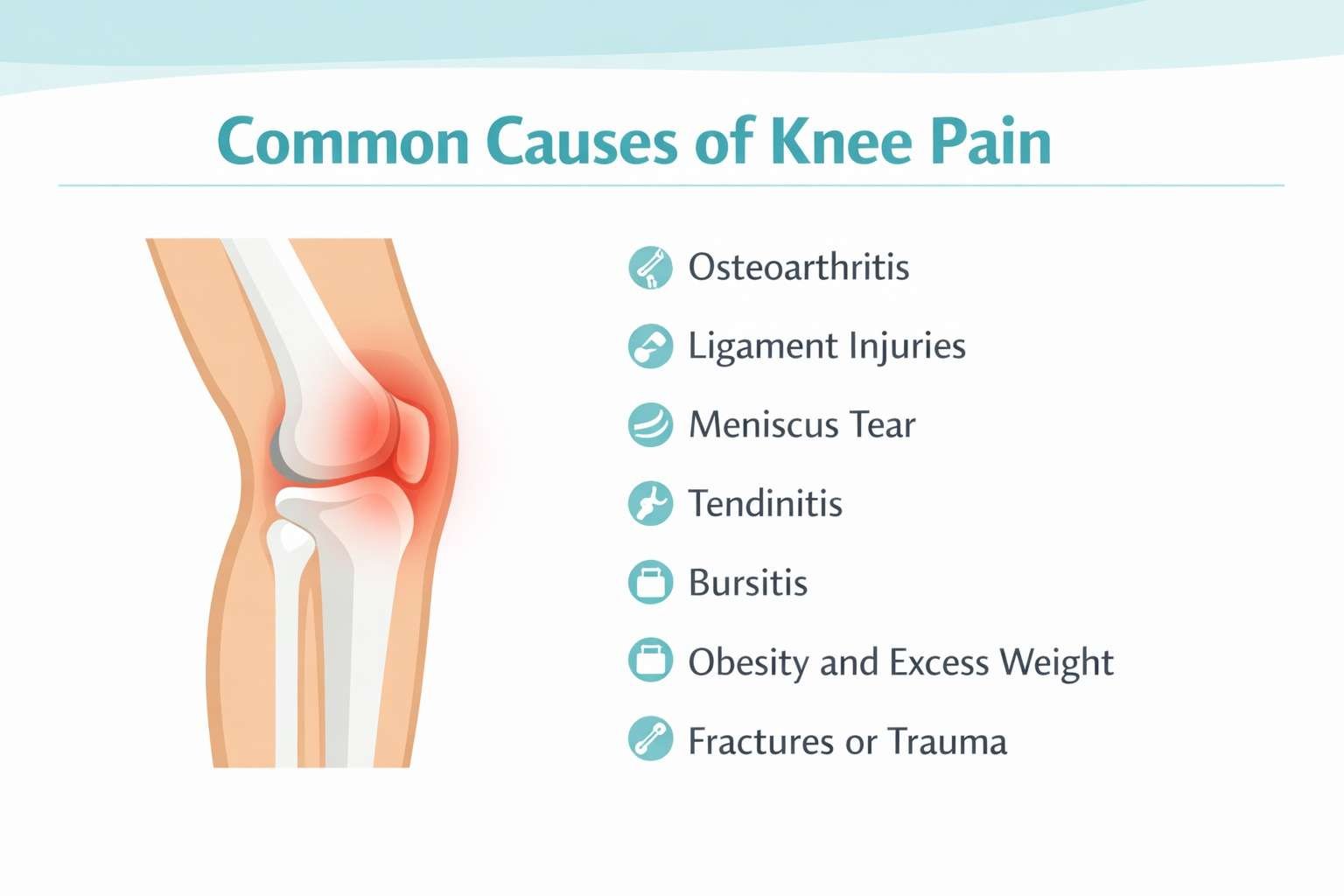
Osteoarthritis is one of the leading causes of knee pain, especially in individuals over the age of 40. It occurs when the cartilage cushioning the knee joint gradually wears down, causing bones to rub against each other.
Symptoms include:
This condition develops slowly and worsens over time if not managed properly.
Ligaments are strong tissues that connect bones and stabilize the knee. Injuries such as ACL (Anterior Cruciate Ligament) tears are common among athletes or individuals involved in high-impact activities.
Symptoms include:
The meniscus is a cartilage that acts as a shock absorber between the thigh bone and shin bone. A tear can occur due to sudden twisting or heavy lifting.
Symptoms include:
Tendinitis is inflammation of the tendons caused by overuse. It is common in runners, cyclists, and athletes.
Symptoms include:
Bursae are small fluid-filled sacs that reduce friction between tissues. Inflammation of these sacs leads to bursitis.
Symptoms include:
Being overweight puts extra stress on your knee joints. Even small increases in body weight can significantly raise the risk of developing knee pain and arthritis.
Accidents, falls, or direct impact can lead to fractures in the knee bones. These injuries require immediate medical attention.
While mild knee pain can often be managed with rest and home remedies, certain warning signs indicate a more serious condition.
If you experience any of these symptoms, it is important to consult a specialist immediately. You can explore expert orthopedic care here:Orthopedic operation thane
At Arora Clinic, diagnosing knee pain involves a detailed approach to identify the root cause.
Early and accurate diagnosis helps in choosing the most effective treatment plan.
Many cases of knee pain can be effectively managed without surgery.
Treatment methods include:
These treatments are often recommended for mild to moderate conditions.
When knee damage becomes severe and non-surgical methods fail, surgical intervention may be required. Today, patients are increasingly opting for Robotic Knee Replacement Surgery in Mumbai due to its advanced precision and improved outcomes.
Choosing an experienced robotic knee replacement surgeon in Mumbai ensures accurate implant placement and better recovery results.
A skilled robotic knee replacement specialist in Mumbai uses cutting-edge technology to customize the procedure according to the patient’s anatomy, reducing complications.
Consulting a qualified robotic knee replacement Doctor in Mumbai can help determine whether surgery is the right option for your condition.
Many patients prefer visiting a well-equipped robotic knee replacement specialist clinic in Mumbai where advanced diagnostic tools and surgical expertise are available under one roof.
Modern procedures like Robot Assisted Knee Replacement Surgery in Mumbai offer several benefits:
Recovery depends on the type of treatment received. Non-surgical treatments may take a few weeks, while surgical recovery can take a few months.
Preventing knee pain is possible by adopting simple lifestyle habits.
Excess weight increases stress on knee joints, accelerating wear and tear.
Regular exercise strengthens muscles and improves joint flexibility.
Always prepare your body before engaging in physical activities to avoid injuries.
Supportive shoes reduce strain on your knees.
Do not overstrain your knees with repetitive activities.
Arora Clinic is dedicated to providing comprehensive orthopedic care with a focus on patient comfort and long-term results. From initial diagnosis to advanced treatment options, every patient receives personalized attention.
Whether you are dealing with mild discomfort or severe joint issues, our team ensures that you receive the most suitable treatment.
You can check reviews and directions here:
best orthopedist thane
Understanding the Common Causes of Knee Pain and When to Worry can help you take timely action and prevent serious complications. Knee pain should never be ignored, especially when it starts affecting your daily life.
Early diagnosis, proper treatment, and lifestyle changes can significantly improve your quality of life. If you are experiencing persistent knee pain, consult experts at Arora Clinic to get the right care and guidance.
WhatsApp us