
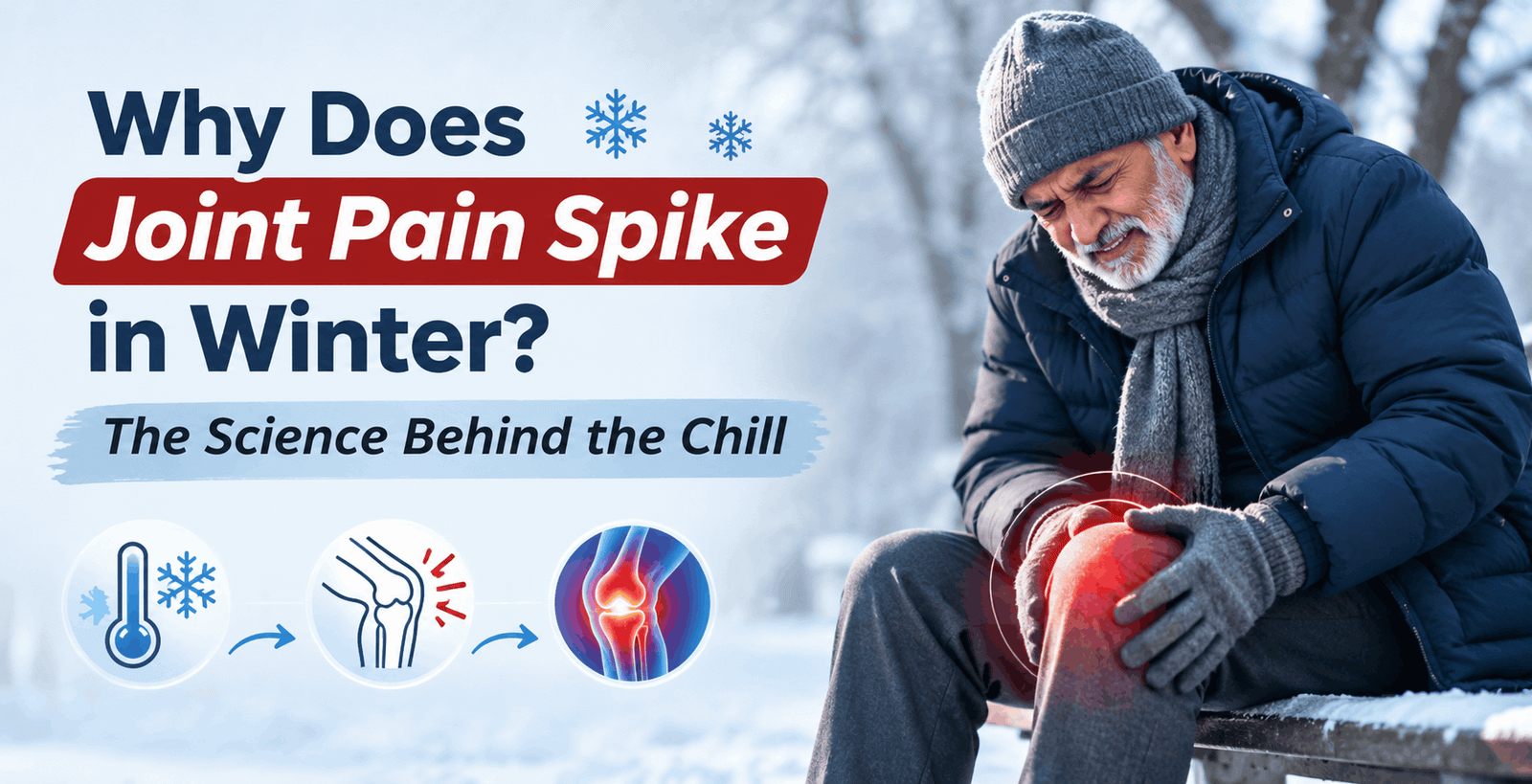
Winter brings cooler temperatures, but for many people, it also brings increased joint pain, stiffness, and difficulty moving comfortably. If you notice more knee pain, shoulder discomfort, or stiffness in your fingers during colder months, you are not alone. Why Does Joint Pain Spike in Winter? The Science Behind the Chill is a common question among people living with arthritis, previous joint injuries, and other orthopaedic conditions.
Cold weather can affect how muscles, joints, and surrounding tissues feel and function. Changes in temperature, reduced physical activity, and increased muscle stiffness may make existing joint problems more noticeable. Understanding these changes can help you take better care of your joints during winter.
At Arora Clinic, patients can seek guidance for joint pain, mobility problems, and other orthopaedic concerns. Consulting an experienced Orthopedic Surgeon in Thane can help identify the underlying cause of persistent joint discomfort and recommend suitable treatment.
Joint pain can become more noticeable during winter because colder weather may affect the muscles, joints, and tissues surrounding them.
Some people also become less physically active during winter. Spending more time indoors and avoiding outdoor exercise can make joints feel tighter and muscles weaker.
Here are some common reasons why joint discomfort may increase:
These factors do not affect everyone equally. However, people with existing joint problems may find winter more challenging.
Cold weather does not directly damage your joints, but it can influence how comfortable they feel.
When temperatures drop, muscles may tighten, and the body may become less flexible. This can make everyday activities such as walking, climbing stairs, or getting out of bed feel more difficult.
Some people also experience increased sensitivity around previously injured or painful joints.
For example, someone with knee arthritis may notice more stiffness while walking in the morning. Similarly, people with shoulder or finger joint problems may experience discomfort when performing regular activities.
If the pain continues or affects your daily routine, an orthopedic doctor in Thane can assess your symptoms and help identify the possible cause.
Although winter-related discomfort can affect different parts of the body, certain joints commonly experience increased stiffness.
Knee pain is common during colder months, especially among people with osteoarthritis or previous knee injuries. Walking, climbing stairs, and sitting for long periods may become uncomfortable.
Shoulder stiffness can make it difficult to lift your arms, reach overhead, or perform household activities.
People with arthritis may notice stiffness in their fingers, particularly in the morning. Activities such as holding objects, writing, or opening containers may become difficult.
Hip discomfort can affect walking, standing, and sitting. People with existing hip joint problems may notice increased stiffness during winter.
Early evaluation can help prevent joint discomfort from interfering with everyday activities.
Winter does not necessarily make arthritis progress faster. However, some people with arthritis report increased pain and stiffness during colder weather.
Osteoarthritis develops when the protective cartilage inside a joint gradually wears down. This can cause pain, swelling, and reduced movement.
Rheumatoid arthritis is an autoimmune condition that causes inflammation in the joints. People with this condition may also experience changes in their symptoms during seasonal weather changes.
Common signs include:
If these symptoms become frequent, consulting a best orthopedist in Thane can help you understand whether arthritis or another joint condition is responsible.

You do not have to stop your daily activities because of colder weather. Simple lifestyle changes can help maintain joint flexibility and improve comfort.
Here are some practical ways to protect your joints.
Wear comfortable winter clothing to protect your knees, shoulders, hands, and other joints from cold temperatures. Keeping your body warm may help reduce the feeling of muscle tightness.
Avoid sitting in one position for too long. Gentle walking, stretching, and low-impact exercises can help maintain joint movement.
Before starting your daily activities, spend a few minutes doing gentle movements. This helps prepare your muscles and joints for physical activity.
Extra body weight can increase pressure on weight-bearing joints, especially the knees and hips. Maintaining a healthy weight can help reduce unnecessary stress on these joints.
Include foods that provide calcium, vitamin D, protein, and other essential nutrients. A balanced diet supports bone and muscle health.
Do not suddenly start intense workouts or lift heavy objects without preparing your body. Increase physical activity gradually.
If home care does not improve your symptoms, professional evaluation may be necessary.
Occasional stiffness during winter may improve with gentle movement and simple lifestyle changes. However, persistent or severe joint pain should not be ignored.
You should consider consulting a specialist if you experience:
An orthopedic doctor in Thane West can evaluate your symptoms and recommend appropriate investigations if required.
Depending on your condition, treatment may include medication, physiotherapy, lifestyle changes, injections, or surgical options.

Treatment depends on the underlying cause, severity of symptoms, age, and overall joint health.
Some patients improve with non-surgical treatments, while others may need advanced orthopaedic procedures.
Common treatment options include:
For patients with advanced knee joint damage, robotic-assisted knee replacement may be one of the treatment options.
You can learn more about robotic knee replacement Doctor Mumbai to understand the procedure, its potential benefits, and when doctors may recommend it.
You can also find the clinic’s location through robotic knee replacement Surgery in Mumbai
The right treatment should always be selected after a proper medical examination.
Ignoring joint pain for a long time may affect your mobility and quality of life. Early diagnosis helps doctors understand whether the discomfort is related to arthritis, an old injury, inflammation, or another orthopaedic condition.
An experienced Orthopedic operation in thane can assess joint movement, muscle strength, pain patterns, and medical history before recommending treatment.
At Arora Clinic, patients can seek professional guidance for orthopaedic concerns and understand suitable treatment options based on their individual needs.
If joint pain is affecting your everyday activities, timely medical advice can help you take the right steps towards better joint health.
Winter can make joint pain and stiffness more noticeable, particularly among people with arthritis, previous injuries, or existing orthopaedic conditions. Cold temperatures, reduced movement, and muscle tightness may contribute to discomfort during the colder months.
Keeping your body warm, exercising regularly, maintaining a healthy weight, and following medical advice can help support joint health. However, persistent pain, swelling, or difficulty moving should not be ignored.
If joint discomfort is affecting your daily routine, consult Arora Clinic for appropriate orthopaedic evaluation and guidance. Early attention can help you understand your condition and explore suitable treatment options for healthier movement throughout the year.
WhatsApp us