
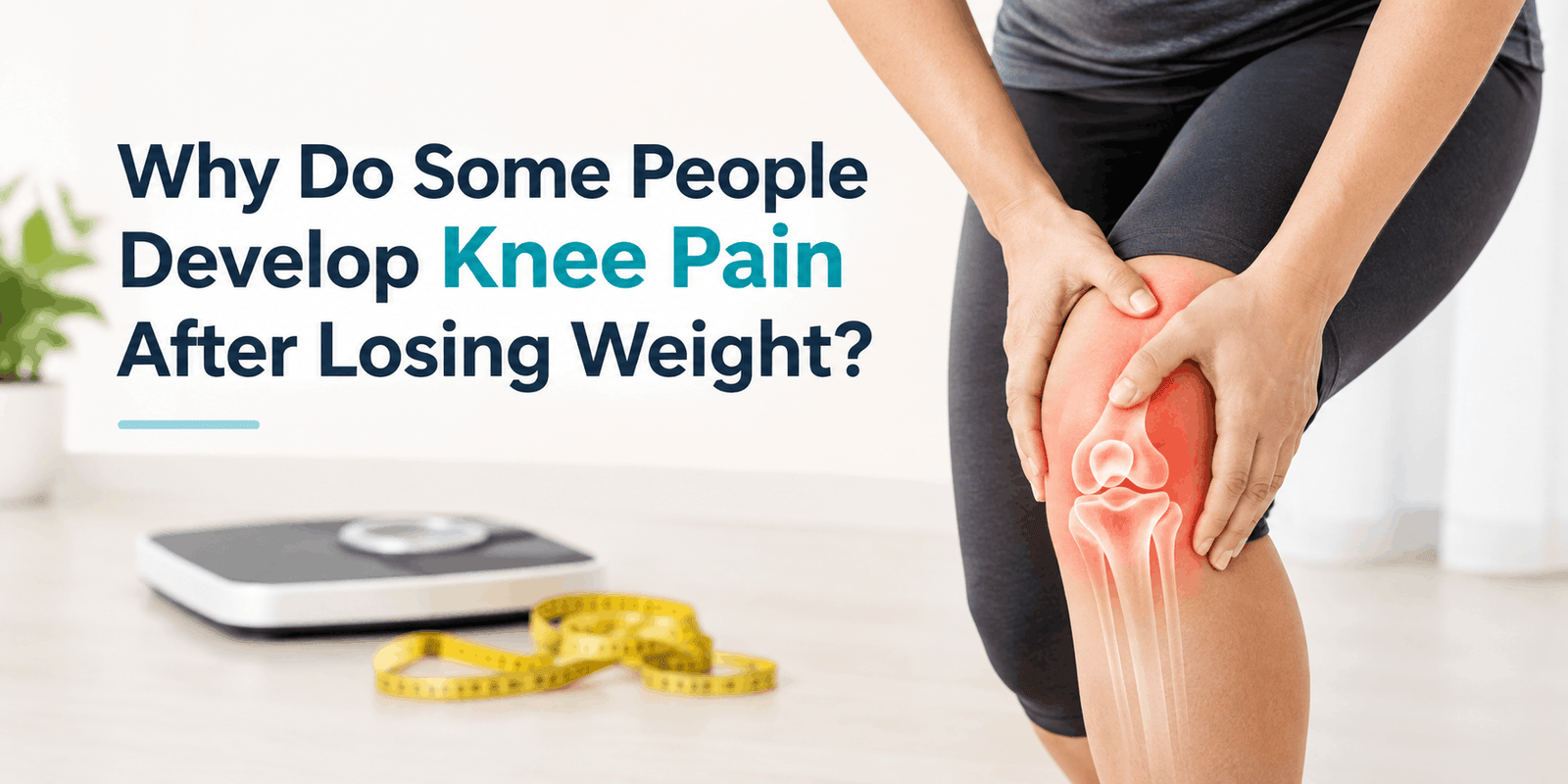
Losing weight is generally beneficial for overall health and can reduce the load placed on the knees. However, some people notice new or increased knee pain after losing weight. This can be confusing, especially when weight loss is expected to make movement easier. So, Why Do Some People Develop Knee Pain After Losing Weight?
The answer can vary from person to person. Changes in activity levels, muscle strength, exercise habits, nutrition, or an existing knee problem may contribute to discomfort. In some cases, weight loss simply makes a pre-existing joint problem more noticeable.
Understanding the possible causes can help you decide when home care may be enough and when an orthopedic evaluation is appropriate.
The top orthopedic treatments for chronic pain relief depend on the cause, severity, age, activity level, and overall health of the patient. Treatment may range from lifestyle changes and physical therapy to medicines, injections, minimally invasive procedures, or surgery.
At Arora Clinic, patients can discuss their symptoms with an experienced orthopedic specialist and understand which treatment may be suitable for their condition.
Weight loss itself does not usually damage the knee joint. In fact, reducing excess body weight can decrease mechanical stress on the knees.
However, the activities used to lose weight may sometimes contribute to pain. For example, suddenly starting running, squats, long walks, or high-intensity workouts can place additional stress on the knee if the muscles and joints are not prepared for the increased activity.
Therefore, knee pain after weight loss may be related to how the weight was lost rather than the weight loss itself.
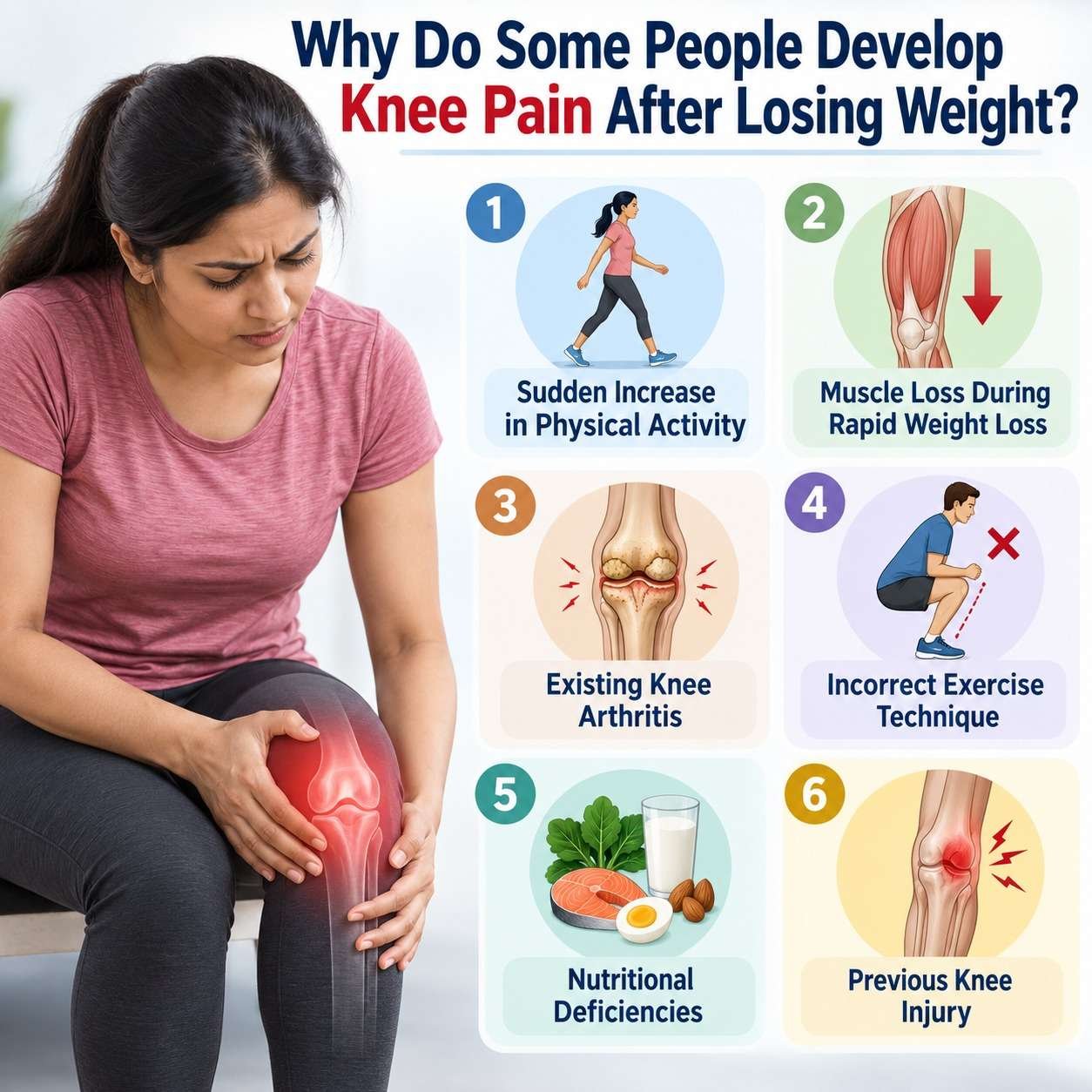
Several factors may explain knee discomfort following significant weight loss.
Many people increase their exercise routine when trying to lose weight.
A person may suddenly start:
If activity increases too quickly, the muscles, tendons, and knee joint may become overloaded.
Gradually increasing exercise gives the body more time to adapt.
Rapid weight loss can sometimes involve loss of muscle mass along with body fat, particularly when calorie intake is very low or protein intake is inadequate.
The quadriceps, hamstrings, and other muscles around the knee help support joint movement and stability. Reduced muscle strength may make certain activities more difficult and can contribute to discomfort.
A balanced weight-loss plan should therefore focus on maintaining muscle while reducing excess body fat.
Weight loss does not reverse cartilage damage caused by osteoarthritis.
Someone may have already had:
As daily activities change after weight loss, the person may become more active and notice symptoms that were previously less obvious.
If pain continues, an Orthopedic Surgeon in Thane can assess the knee and determine whether arthritis or another condition is responsible.
Poor exercise technique can place unnecessary stress on the knee.
For example, incorrect form during squats, lunges, jumping exercises, or stair workouts may increase pressure on the joint.
Working with a qualified fitness professional or physiotherapist can help you learn appropriate techniques.
Some people follow restrictive diets while trying to lose weight. If the diet does not provide adequate protein, calcium, vitamin D, or other essential nutrients, muscle and bone health may be affected.
However, not every case of knee pain is caused by a nutritional deficiency. Testing should be considered when a doctor believes it is appropriate.
An old ligament, meniscus, or cartilage injury can cause pain when physical activity increases.
Even if the original injury happened years ago, changes in exercise patterns after weight loss may bring symptoms back.
Mild soreness after starting a new exercise program may improve with rest and gradual training. However, medical evaluation is recommended if:
An orthopedic doctor in Thane can examine your knee and determine whether the pain is related to muscle strain, arthritis, cartilage damage, or another condition.
Your orthopedic specialist may begin with a physical examination.
The doctor may assess:
Depending on your symptoms, imaging such as an X-ray or MRI may be recommended.
An X-ray can help identify changes associated with arthritis, while an MRI provides more detailed information about cartilage, ligaments, and other soft tissues.
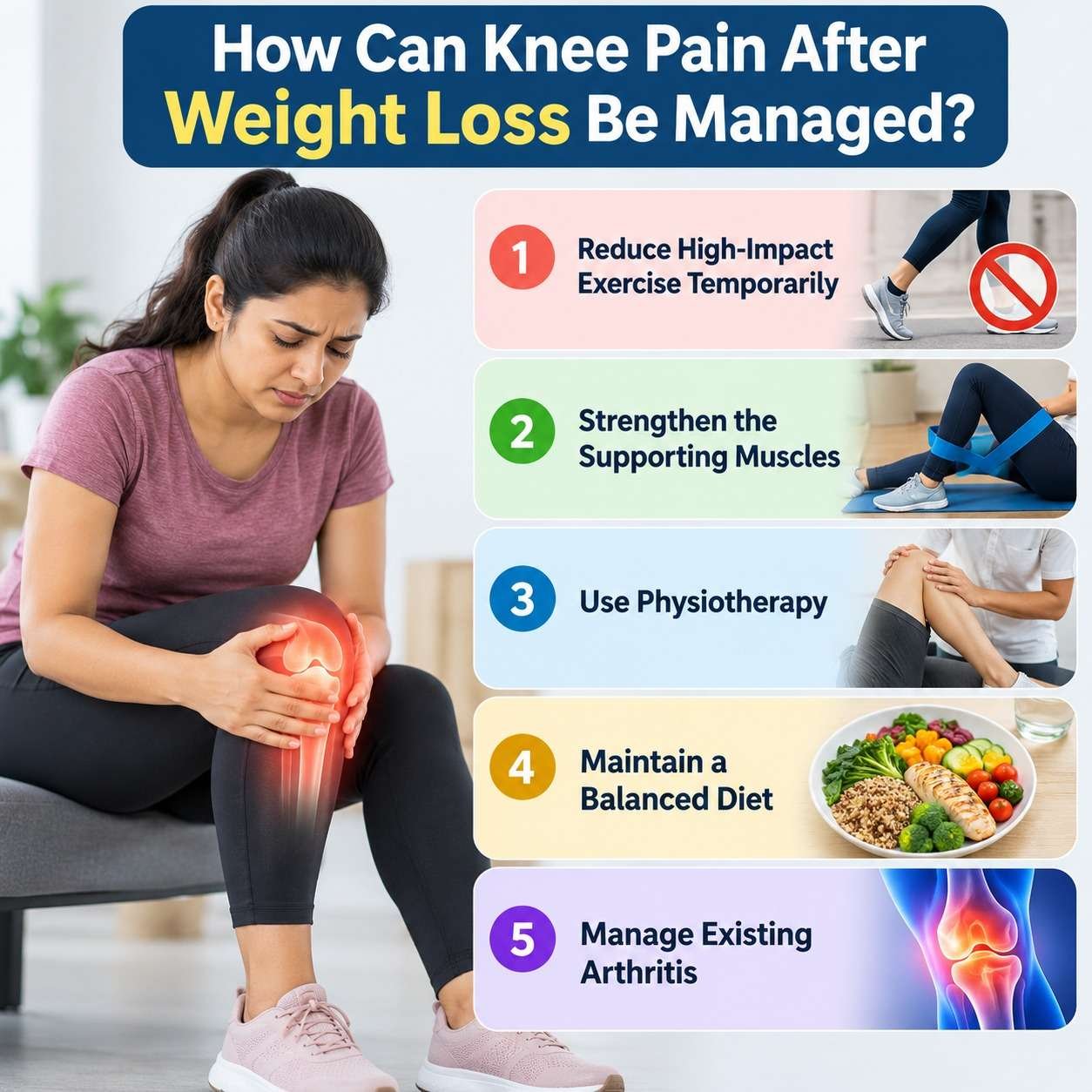
Treatment depends on the underlying cause.
If pain started after increasing exercise, temporarily reducing activities such as running or jumping may help.
Low-impact activities such as swimming or gentle cycling may be more comfortable for some people.
Strengthening the quadriceps, hamstrings, hips, and core can improve support around the knee.
Exercises should be selected according to your fitness level and medical condition.
A physiotherapist can create an exercise program based on your symptoms, strength, flexibility, and activity goals.
Continue eating a nutritious diet that provides adequate protein and essential nutrients while maintaining a healthy calorie intake.
If osteoarthritis is responsible for the pain, your doctor may recommend a combination of exercise, physiotherapy, medications, injections, weight management, and other treatments depending on severity.
You can reduce the likelihood of exercise-related knee pain by losing weight gradually and maintaining muscle strength.
Helpful habits include:
Weight loss should improve health without placing unnecessary stress on the joints.
Most knee pain after weight loss does not require surgery. Non-surgical treatment is usually considered first when appropriate.
However, surgery may be discussed when there is significant structural damage, advanced arthritis, or persistent symptoms that do not improve with appropriate conservative treatment.
For patients with severe knee arthritis, Orthopedic Surgery in Thane may include procedures such as knee replacement when clinically indicated.
You can learn more about knee replacement treatment through Arora Clinic’s dedicated service page: Knee Replacement Surgery
Arora Clinic provides orthopedic evaluation and treatment for patients experiencing knee pain, arthritis, sports-related problems, and other musculoskeletal conditions.
A proper assessment is important because knee pain after weight loss can have different causes. Rather than assuming that weight loss itself is responsible, an orthopedic specialist can evaluate your symptoms, activity level, medical history, and knee condition.
If you are searching for an orthopedic doctor in Thane West professional evaluation can help identify the cause of persistent knee pain and guide appropriate treatment.
Patients looking for an orthopedic doctor near me can also consider timely consultation when knee pain starts affecting everyday activities.
For clinic location and consultation details:
It can occur, particularly when exercise increases suddenly or muscle strength decreases during rapid weight loss. Persistent pain should be evaluated to identify the actual cause.
Weight loss itself generally does not damage the knees. In fact, reducing excess weight can decrease mechanical stress on the joints. Knee pain may instead be related to exercise, muscle loss, an existing joint condition, or another factor.
Rapid weight loss can sometimes be associated with muscle loss or nutritional problems, which may contribute to weakness or discomfort. A balanced approach to weight loss is preferable.
Do not push through significant or worsening pain. Reducing aggravating activities and choosing appropriate low-impact movement may help, but persistent symptoms should be assessed by a healthcare professional.
Knee replacement may be considered for severe arthritis or other advanced joint damage when pain and loss of function continue despite appropriate non-surgical treatment.
Understanding Why Do Some People Develop Knee Pain After Losing Weight? can help you avoid unnecessary concern and identify when professional advice is needed. Weight loss itself generally reduces stress on the knees, but rapid changes in exercise, muscle loss, poor exercise technique, previous injuries, or existing arthritis may contribute to pain.
Gradual weight loss, adequate nutrition, muscle-strengthening exercises, proper technique, and appropriate recovery can help protect your knees. If your pain persists, causes swelling, affects walking, or interferes with daily activities, consult an orthopedic specialist for a proper evaluation.
For patients requiring orthopedic operation in Thane the appropriate treatment depends on the underlying diagnosis and severity of the knee problem. Early evaluation can help you understand your options and continue working toward a healthy, active lifestyle.
WhatsApp us